August 25, 2026
Coloring Pages for Toddlers vs. Older Kids: What’s the Difference?

Hand the same coloring page to a two-year-old and a nine-year-old and you’ll get two completely different experiences — not because one is “better” at coloring, but because their brains and hands are working on entirely different things. Here’s a side-by-side look at what actually changes with age.
Grip and Control
Toddlers typically use a whole-fist grip and color in broad, sweeping motions with little regard for lines. Older kids develop a tripod grip (thumb, index, and middle finger) that allows precision — which is exactly why detailed pages frustrate toddlers but bore a skilled nine-year-old.
Attention Span
A toddler might stay engaged for two to five minutes before moving on, while an older child can often sustain twenty minutes or more on a single detailed page. Neither is a problem — it’s simply where their focus naturally sits at that stage.
What “Success” Looks Like
For a toddler, success is simply engaging with the activity at all — scribbles count. For an older child, success might mean staying inside the lines, blending colors, or finishing a page start to finish. Measuring both against the same standard sets one of them up to feel like they failed.
Ideal Page Complexity
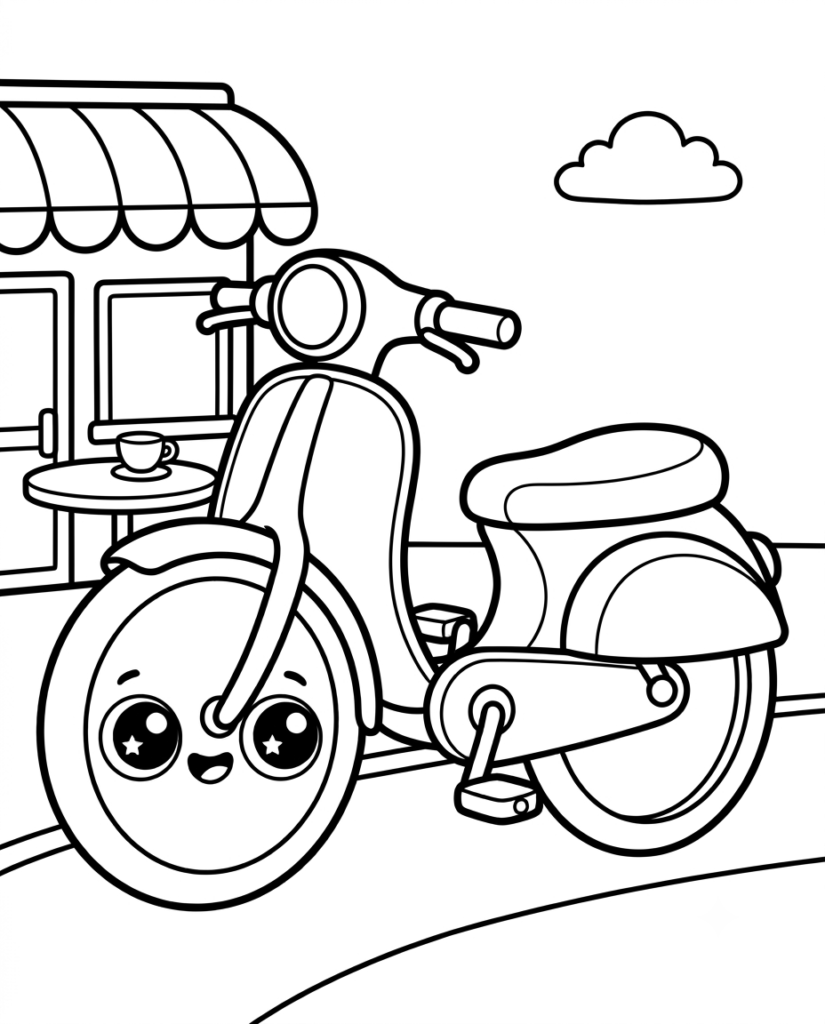
- Toddlers (2-3): One large subject, thick outlines, minimal background detail.
- Preschool (4-6): A few clear sections, simple background elements.
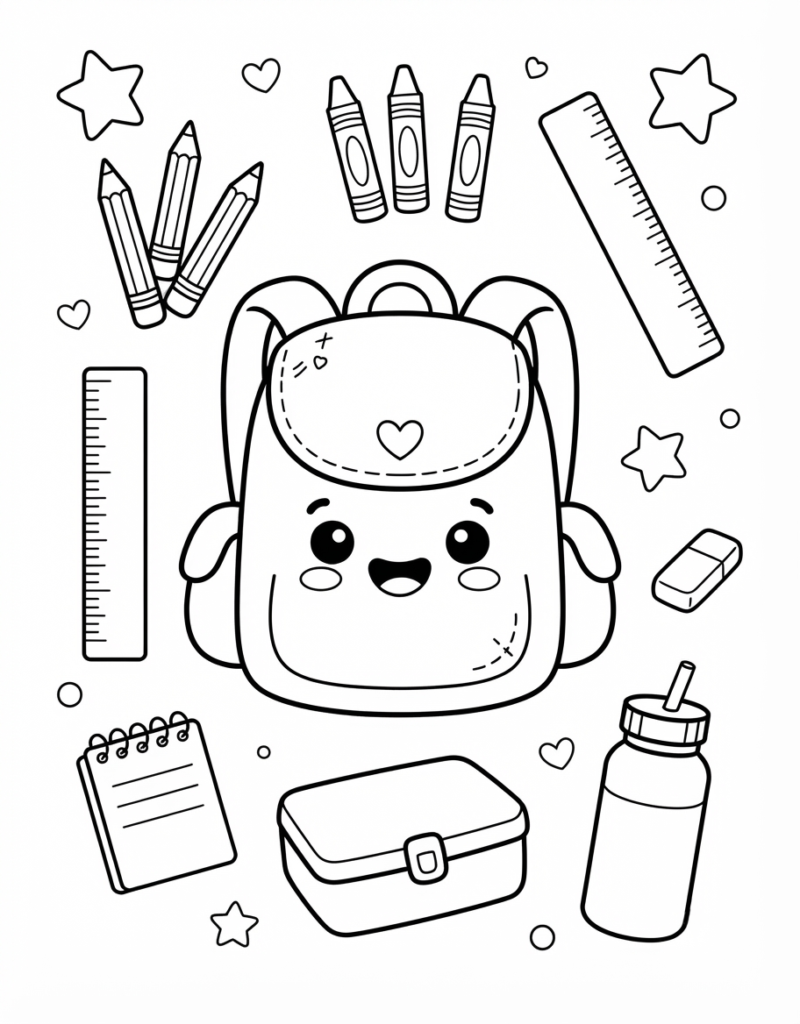
- Older kids (7+): Multiple characters, fine detail, patterns, and shading opportunities.
Coloring Together, Differently
Siblings of different ages can still color side by side — just print each one a page suited to their stage rather than the same sheet. Browse our library by theme in the full coloring page collection to find the right fit for each child.