August 25, 2026
The Benefits of Coloring for Child Development: What the Research Says
Hand a child a blank coloring page and a box of crayons, and something quietly powerful happens. It looks like simple entertainment — a way to buy fifteen minutes of quiet — but child development researchers have spent decades studying what coloring actually does for a growing brain and body. The short answer: quite a lot.
Fine Motor Skills and Hand-Eye Coordination
Every time a child grips a crayon and guides it along an outline, they’re strengthening the small muscles in their fingers and wrist — the same muscles they’ll later rely on to hold a pencil and write. Staying inside the lines requires the eyes and hands to coordinate in real time, which is why occupational therapists often recommend coloring as a low-pressure way to build pre-writing skills before kids ever pick up a pencil for schoolwork.
Cognitive Benefits: Focus, Planning, and Color Recognition
Choosing which color goes where, staying on task until a page is finished, and recognizing shapes and patterns all draw on a child’s developing executive function — the mental skills behind focus, planning, and self-control. Coloring gives kids repeated, low-stakes practice at sticking with a task from start to finish, which is a skill that transfers directly into classroom work.
Emotional Regulation and Mindfulness
Coloring is repetitive and predictable, which is exactly why it’s calming. The steady, rhythmic motion of filling in a shape can lower stress in the same way adult coloring books became popular for anxiety relief. For kids who get overstimulated easily, a coloring page can act as a gentle reset between a hectic school day and dinner time.
Creativity and Self-Expression
Unlike a worksheet with one right answer, a coloring page has no wrong choices. A purple dog or a rainbow-striped rocket ship is just as “correct” as a realistic one. That freedom teaches kids early on that creative decisions are theirs to make — a small but meaningful confidence builder.
Coloring as a Bridge to Writing Readiness
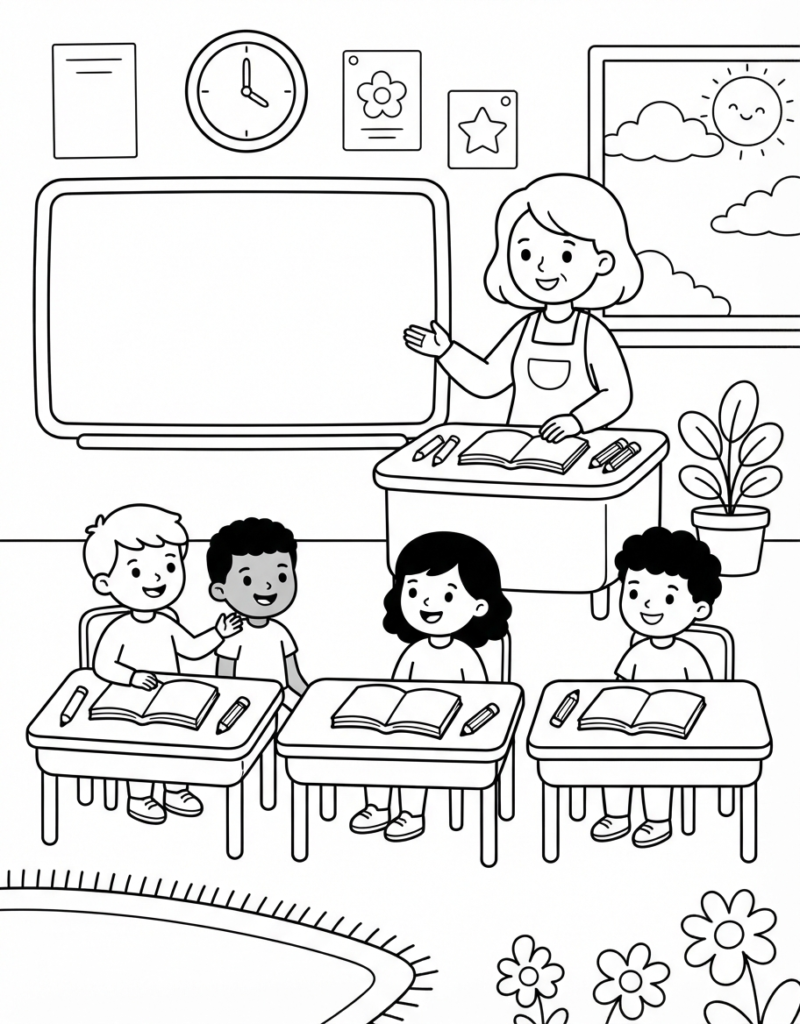
Before a child can form letters, they need the muscle control and pencil grip that coloring naturally builds. Preschool and kindergarten teachers frequently use coloring pages for exactly this reason — it’s writing practice that doesn’t feel like writing practice.
How Much Coloring Is “Enough”?
There’s no strict rule, but even 10-15 minutes a few times a week is enough to see the benefits above. The goal isn’t to turn coloring into another scheduled activity — it works best as a relaxed, screen-free option kids can reach for on their own.
Tips for Getting the Most Out of Coloring Time
- Let them choose the page. Interest drives focus — browse our free coloring pages together and let your child pick.
- Offer a few tool options. Crayons, colored pencils, and markers each build slightly different grip strength.
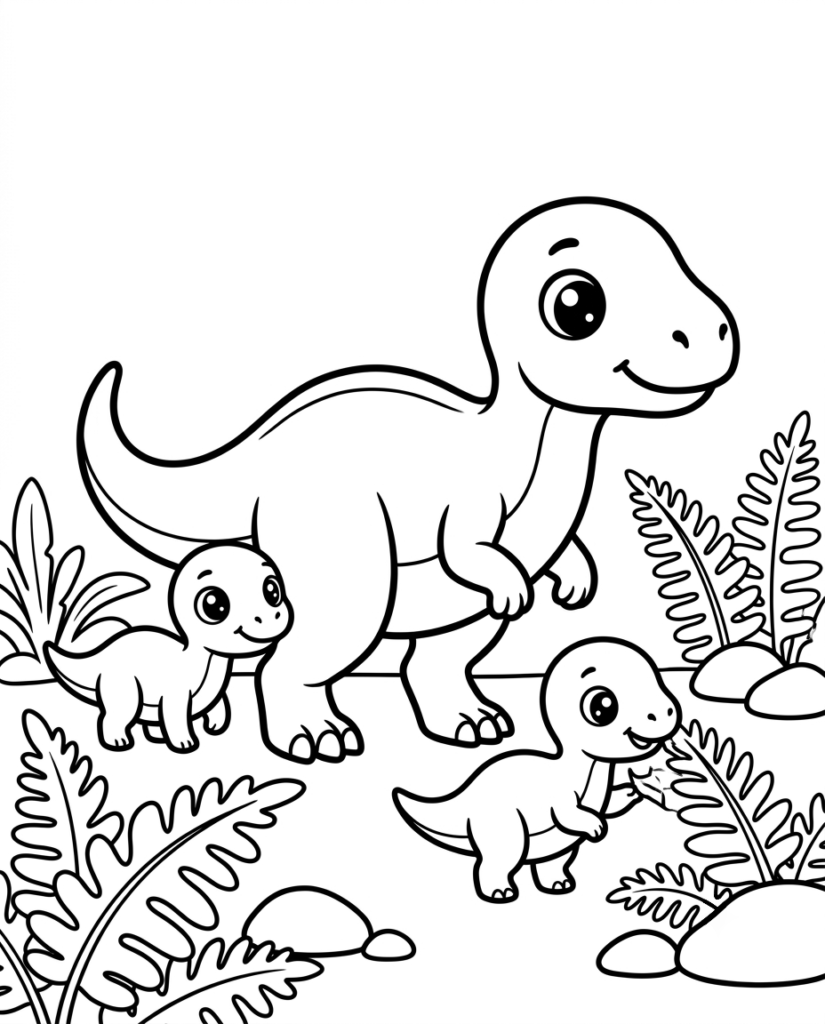
- Skip the correcting. Let color choices be theirs, even if a dinosaur ends up pink.
- Display the finished page. A spot on the fridge reinforces that their effort mattered.
Ready to start? Explore themed collections like our Animals & Pets and Dinosaur coloring pages, or browse the full library of free printables.